
July 31, 2026
Active Supervision: More Than Just Watching Children
By Liddy Korner
Active supervision is one of the most important responsibilities of an educator. It means being aware of where children are, what they are doing and any potential risks, while remaining engaged and ready to respond.
Position Yourself Purposefully
Where you stand matters.
Position yourself so you can see and hear children, particularly near gates, bathrooms, climbing equipment, blind spots and transition areas. As children move, adjust your position to maintain visibility and supervision.
Indoor and Outdoor Environments
Different environments require different supervision strategies.
Outdoors, regularly scan the entire play space and be aware of areas where children may be hidden from view. Indoors, pay attention to room layout, blind spots and areas where children may become isolated from the group.
Consider where children are most likely to need support and position yourself accordingly.
Stay Engaged with Children
It’s easy to focus on equipment and hazards, but children’s behaviour often tells you where your attention is needed.
Active supervision is not just about watching. It is about engaging.
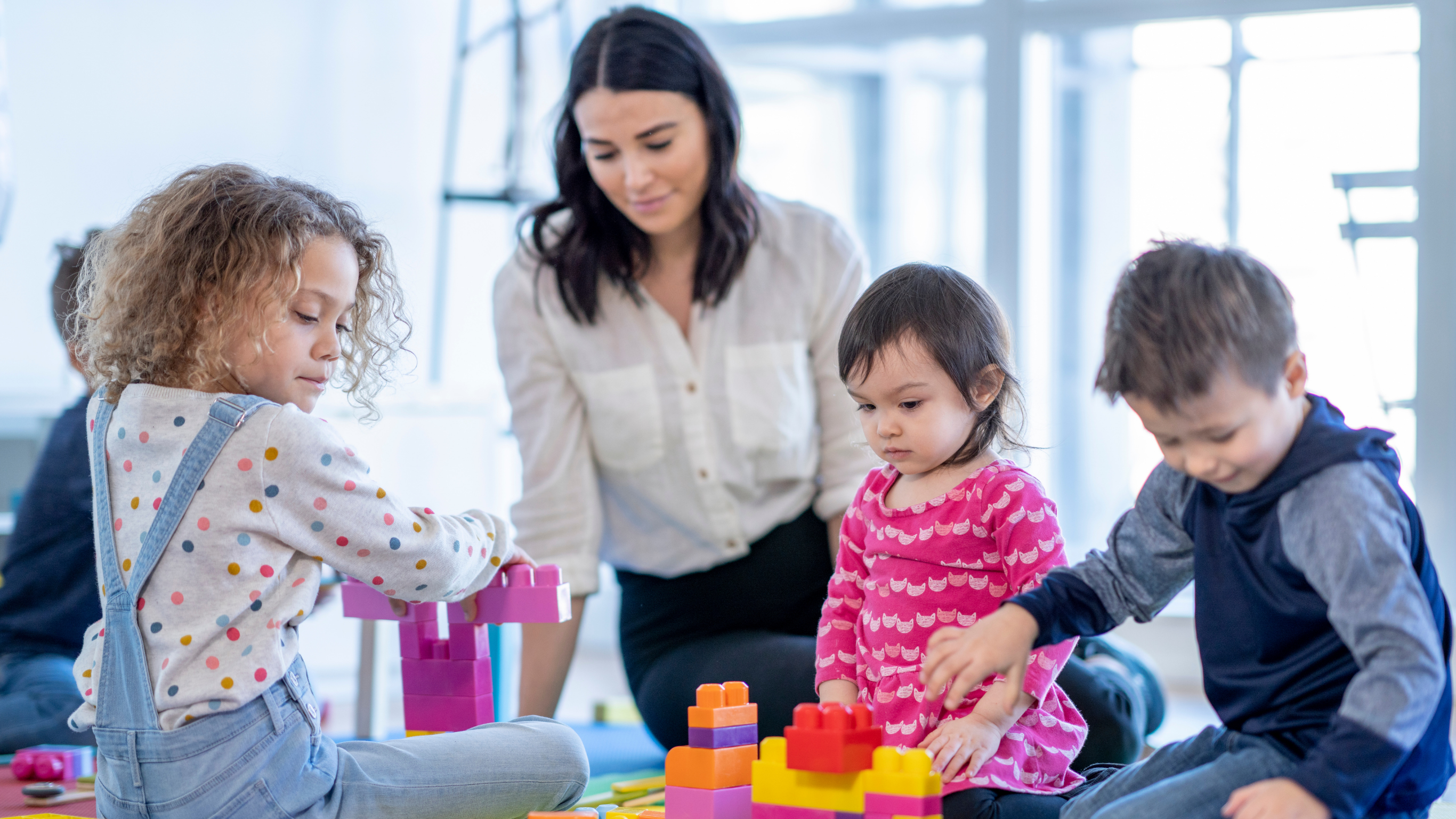
Talk with children, join their play, listen to conversations and observe interactions. Educators who are actively engaged are more likely to identify risks, notice changes in behaviour – such as children becoming frustrated or overwhelmed – and respond before issues escalate.
During Transitions
Many incidents occur during transitions.
Whether children are moving between rooms, going outdoors, returning inside, preparing for meals or getting ready to go home, maintain supervision and avoid assumptions that someone else is watching.
Communicate With Your Team
Effective supervision is a team responsibility.
Communicate when leaving an area, taking a child to the bathroom, assisting an individual child or moving between spaces. Make sure educators know who is supervising which areas and where support may be needed.
Ask Yourself
A simple question to ask throughout the day is:
“Can I see the children in my care, am I actively engaged, and could I respond immediately if needed?”
Active supervision is not a separate task. It is something educators should be doing continuously throughout the day to support children’s safety, wellbeing and learning.
One of the biggest risks to effective supervision is tunnel vision.
At time, an educator becomes so focused on one child, one conversation or one task that they unintentionally lose awareness of what’s happening around them. It may be while comforting a distressed child, supporting toileting or supporting a challenging activity.
The key in these situations is to pause and reset your awareness. Before becoming deeply engaged with one child or task, take a quick look around. While you’re engaged, continue to regularly scan the environment and check in with the rest of the group. If your attention needs to remain with one child for an extended period, communicate with your team so supervision of the wider environment remains strong.
Remember, effective supervision isn’t about watching one child really well – it’s about maintaining awareness of all children, all of the time.